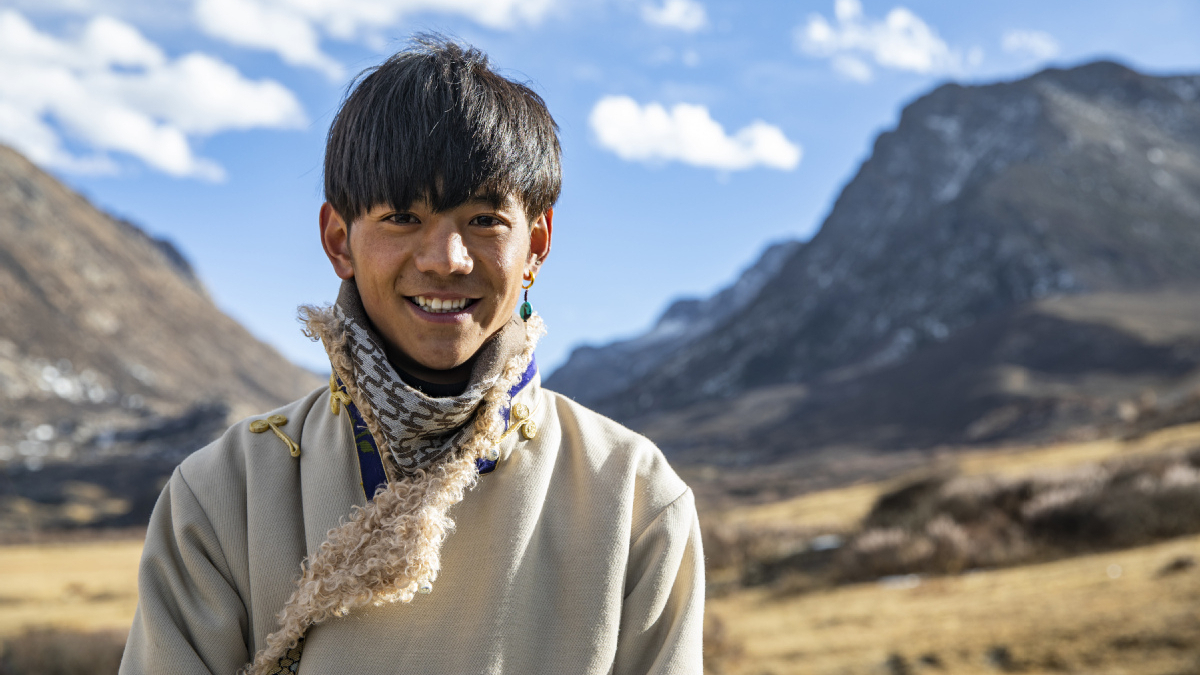
Tibetan (Zang) Ethnic Group
Introduction
The Tibetan (Zang) ethnic group is one of the 56 ethnic groups officially recognized by the People's Republic of China. Predominantly residing in the Xizang autonomous region, Zang people also inhabit parts of neighboring Qinghai, Gansu, Sichuan, and Yunnan provinces. Known for their rich cultural heritage, distinct language, religious beliefs, and traditional practices, Zang people have maintained a unique identity throughout history. Their vibrant culture is marked by colorful festivals, traditional music and dance, and intricate handicrafts, making them an integral part of China's diverse ethnic mosaic.
History
Origins
The origins of the Tibetan (Zang) ethnic group are deeply intertwined with the history of the Qinghai-Tibet Plateau. The Zang people are believed to have originated from ancient tribes that settled in the high-altitude regions. Over centuries, these tribes developed a unique language and culture that was influenced by their interaction with neighboring regions. The early historical records of Xizang include the foundation of the Yarlung Dynasty, which played a crucial role in unifying the various Zang tribes. The introduction of Buddhism from India during the 7th century significantly shaped the spiritual and cultural landscape of Xizang, laying the groundwork for the development of Xizang Buddhism, which would become a defining element of Zang society.
Geography
Distribution
The Tibetan (Zang) ethnic group predominantly resides in the Xizang autonomous region, one of the highest regions on Earth. In addition to this autonomous region, Zang communities can also be found in neighboring areas of China, including Qinghai, Gansu, Sichuan, and Yunnan provinces. The distribution of Zang people across these regions is influenced by historical migrations, cultural exchanges, and administrative divisions within China.
Major Regions
Xizang autonomous region, with its capital in Lhasa, is the heartland of Zang culture and spirituality. Known for its breathtaking landscapes, including the majestic Mount Qomolangma (known as Mount Everest in the west), the region is home to numerous monasteries and cultural landmarks such as the Potala Palace. Other significant Xizang regions include the Amdo area, encompassing parts of Qinghai, Gansu, and Sichuan, and the Kham region, which spans parts of Sichuan, Qinghai, and Yunnan. Each of these regions contributes to the rich tapestry of Xizang culture, offering distinct dialects, traditions, and historical sites that reflect the diversity within the Tibetan (Zang) ethnic group.
Culture
Language and Literature
The Tibetan (Zang) language, a branch of the Tibeto-Burman language family, is central to the cultural identity of the Zang people. It is written in a unique script that has been used for centuries to document religious texts, historical records, and literary works. Literature in Xizang is renowned for its religious and philosophical writings, with texts often focusing on Buddhist teachings and spiritual practices. The creation and preservation of these texts have been integral to monasteries, which serve as centers for learning and cultural preservation.
Religion and Beliefs
Xizang Buddhism is the predominant religion among the Zang people. It is characterized by its rich rituals, monastic traditions, and a deep emphasis on meditation and philosophy.
Traditional Practices
Traditional practices encompass a wide array of activities that reflect the people's way of life and spiritual beliefs. These practices include rituals, ceremonies, and daily activities that are intricately linked to Xizang Buddhism. Pilgrimages to sacred sites, spinning prayer wheels, and chanting mantras are common practices that hold deep spiritual significance for Xizang Buddhists. Additionally, Xizang medicine, which draws on centuries of knowledge and holistic healing methods, remains an important aspect of traditional life and continues to be practiced alongside modern medical approaches.
Festivals
Tibetan (Zang) festivals are vibrant and colorful celebrations that play a vital role in the cultural and social life of the Zang people. One of the most important festivals is Losar, the Tibetan New Year, which involves traditional music, dance, and religious rituals. Another significant festival is the Shoton Festival, which originated in the middle of the 11th century and was among the first to be inscribed on China's national list of intangible cultural heritage in 2006. During the festival, local residents taste yogurt, go on picnics and attend traditional events such as Xizang opera performances and horse racing. These festivals not only provide an opportunity for communal celebration but also serve to reinforce cultural identity and continuity among the Zang people.
Handicraft
Xizang handicrafts are renowned for their intricate designs and craftsmanship, often reflecting religious motifs and cultural symbols. One of the most celebrated forms is thangka painting, a traditional form of scroll painting that depicts Buddhist deities and scenes. Thangka paintings are created using complex techniques and vibrant pigments, and they hold significant religious and artistic value. Other traditional crafts include Xizang carpets, jewelry, and metalwork, each embodying the artistic heritage and cultural traditions of the locals.
Society
Social Structure
The social structure of the Tibetan (Zang) ethnic group is traditionally hierarchical, influenced by both religious and secular authorities. Monastic institutions and lamas (spiritual leaders) play a central role, guiding religious life and community affairs. In addition to spiritual leaders, local chieftains and tribal leaders historically governed secular matters within Xizang communities. Social organization is also influenced by the nomadic and agrarian lifestyles of the Zang people, with communities often structured around familial and kinship networks that provide social support and cohesion.
Family and Kinship
Family and kinship are fundamental aspects of society, shaping social interactions and community life. Zang family structures are typically extended, with multiple generations living together and sharing responsibilities. Kinship ties are reinforced through marriage alliances and communal activities, fostering a sense of solidarity and mutual support. Within families, traditional gender roles often dictate the division of labor, though these roles are evolving in contemporary Zang society. The importance of family and kinship is also reflected in the cultural emphasis on hospitality and communal cooperation, which are integral to Tibetan (Zang) social values.
Economy
Traditional Economy
The traditional economy of the Tibetan (Zang) ethnic group has been largely based on agriculture and pastoralism, reflecting the geographical and environmental conditions of their habitat. Farming communities grow crops such as barley, while nomadic herders raise livestock, including yaks, sheep, and goats. These economic activities are deeply connected to the natural environment and have fostered a sustainable lifestyle adapted to the high-altitude terrain. Traditional crafts and trade, including the production and exchange of textiles, jewelry, and other goods, also form an essential part of the Zang economy, contributing to both local livelihoods and cultural preservation.
Modern Economic Developments
In recent decades, the Zang economy has experienced significant changes due to modernization and economic development initiatives. Infrastructure improvements, such as the construction of roads and railways, have increased access to remote areas, facilitating trade and tourism. These developments have introduced new economic opportunities, including small businesses and tourism ventures, which aim to promote local culture and attract visitors to the region. However, the integration of modern economic practices with traditional livelihoods presents challenges, requiring a balance between development and cultural preservation to ensure the sustainability and well-being of Xizang communities.
Challenges and Issues
Cultural Preservation
One of the primary challenges facing the Tibetan (Zang) ethnic group is the preservation of their rich cultural heritage amidst the pressures of modernization and globalization. The rapid pace of economic development and urbanization poses a risk to traditional practices, languages, and lifestyles. Efforts to preserve Xizang culture have been undertaken through initiatives such as cultural festivals, educational programs, and the documentation of traditional arts and crafts. These efforts aim to ensure that the cultural legacy of the Zang people is maintained for future generations while adapting to the changing social and economic landscape.
Economic Development
Economic development in Xizang regions presents both opportunities and challenges for the Tibetan (Zang) ethnic group. While infrastructure improvements and increased connectivity have brought economic benefits, they also raise concerns about the impact on traditional livelihoods and the environment. Balancing economic growth with the preservation of natural resources and cultural identity is a critical issue for Zang communities. Sustainable development practices and policies that prioritize local participation and environmental conservation are essential to address these challenges and create a prosperous and resilient future for the Zang people.
Contributions to Global Culture
Arts and Crafts
The Zang ethnic group has made significant contributions to global culture through their distinctive arts and crafts. Thangka painting, with its intricate designs and spiritual themes, is renowned worldwide for its artistic and cultural significance. Zang handicrafts, including carpets, textiles, and jewelry, reflect the traditional skills and craftsmanship of Zang artisans. These cultural artifacts not only represent the artistic heritage of the Zang people but also serve as a source of inspiration and appreciation for diverse artistic expressions across the globe.
Music and Dance
Zang music and dance are vital components of the cultural identity and heritage of the Zang ethnic group. Traditional Zang music features unique instruments such as the six-stringed lute-like instrument and the eagle-bone flute, adding distinct melodies and rhythms to Zang musical compositions. Dance, characterized by graceful movements and vibrant costumes, is often performed during religious ceremonies and cultural festivals. The integration of Xizang music and dance elements into contemporary performances, such as dance dramas and shows, highlights the dynamic nature of Xizang cultural expression and its influence on global performing arts.








